Why Paying Platform Commissions Is Costing You More Than You Think
- 1 Why Paying Platform Commissions Is Costing You More Than You Think
- 1.1 The hidden cost of freelance platforms
- 1.2 Why commissions do not really disappear
- 1.3 What businesses usually pay for, without realising it
- 1.4 Why larger projects suffer the most
- 1.5 Cost is not the only issue, quality can suffer too
- 1.6 Why direct collaboration usually gives better value
- 1.7 When platform use may still make sense
- 1.8 How to reduce platform commission costs for your business
- 1.9 Why this matters even more in 2026
- 1.10 Final thoughts
- 1.11 Build directly and get better value
Many businesses underestimate how platform commissions affect their actual project budget. At first, a marketplace can look convenient. Everything feels centralised, familiar, and easy to compare. But once service fees, seller markups, payment costs, and long term support are added in, the final price can be far higher than expected. If your goal is better value, better communication, and a stronger outcome, it is worth looking at what those extra layers are really costing you.
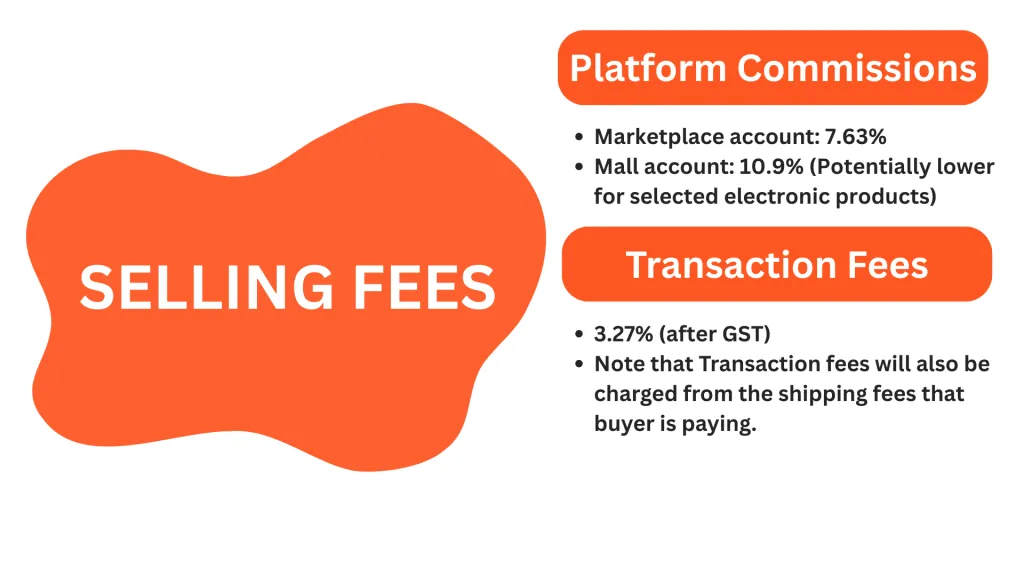
The issue is not only the visible fee shown on the checkout page. The real problem is how platform pricing changes the entire project from quote to delivery. In many cases, the person doing the work knows they will lose part of the payment to the platform, so they adjust pricing to protect their margin. That means the client may already be paying an inflated rate before extra charges are even added.
Then there are payment handling costs, currency conversion charges, milestone release delays, and revision buffers. For a small one off task, that may feel manageable. For a website build, mobile app, AI workflow, SaaS project, or ongoing support retainer, those extra layers can quietly add up into a serious cost issue.
What looks convenient at the start can become expensive over time. Platform fees are rarely isolated. They usually influence pricing, revisions, communication, and project continuity all at once.
Why commissions do not really disappear
A common mistake is assuming the platform fee is separate from the service price. In reality, platform commissions often become part of the whole commercial structure. If a freelancer loses a percentage on every payment, they may charge more upfront. If they expect delays, disputes, or revision friction, they may build in extra time and extra cost. The client ends up covering more than just the actual work.
This is especially important when you are dealing with higher value projects where clarity matters. If you are building a business website, investing in mobile app development, launching a SaaS platform, or rolling out AI automation and integration, you want your budget going into the actual delivery, not into a middle layer that does not improve the end result.
What businesses usually pay for, without realising it
Platform service fees
These are the obvious charges that raise the final amount paid. Even when they look small, they contribute to overall budget creep.
Seller margin protection
When service providers know part of their payment is being deducted, they often raise their quote to compensate.
Payment handling costs
Cross border charges, processing fees, and payout structures can all create another unnecessary layer of expense.
Long term project drag
On larger builds, repeated commissions and platform friction can make the total cost much higher over time.
Why larger projects suffer the most
For small tasks, platform convenience can sometimes make sense. If you need a quick design tweak, a simple content edit, or a one time admin task, the structure may be acceptable. But larger digital projects are different. A proper software or growth project usually needs strategy, planning, testing, continuity, revisions, and post launch support.
This is where platform commissions become more painful. You are no longer paying once. You are paying across phases. Discovery, build, QA, revisions, optimisation, maintenance, and support may all be affected. What started as a convenient marketplace hire can turn into a more expensive and less stable delivery model than working directly with a company that owns the process end to end.
Cost is not the only issue, quality can suffer too
Businesses often think the main risk is financial. But quality and consistency are just as important. Marketplaces are built for volume. That does not automatically mean bad quality, but it does mean there can be major variability. Some providers are excellent. Others are transactional, rushed, or focused only on completing milestones as quickly as possible.
Bigger projects need more than task completion. They need context, continuity, and accountability. If you are investing in API development, system integration, or a revenue focused digital asset like conversion rate optimisation, the quality of communication and long term thinking matters just as much as the price.
Cheap delivery can become expensive when the work is fragmented, rushed, or difficult to scale later.
Why direct collaboration usually gives better value
A direct partnership usually gives you better pricing clarity, better accountability, and better project continuity. Instead of paying for a marketplace layer, your budget goes into strategy, design, development, testing, and support. That means more of your money is actually working on the result you care about.
Direct collaboration also tends to improve communication. You are not squeezing everything through platform rules, external milestones, or message structures built for generic transactions. You can focus on actual delivery, realistic timelines, and a better working relationship.
For businesses that want to build something strong and scalable, this matters a lot. Whether you need a new digital product, a conversion focused website, or long term technical support, clear direct collaboration often gives better value than adding platform commission costs into every stage.
When platform use may still make sense
To be fair, freelance platforms are not always the wrong choice. They can be useful for very small tasks, short term overflow work, or quick one off requests where speed is more important than long term partnership. They also give buyers a familiar environment and a clear starting point.
The problem comes when businesses assume the same model works equally well for serious digital builds. A quick task and a growth critical project are not the same thing. Once the scope becomes more important, more strategic, or more long term, the weaknesses of the platform model become much more visible.
How to reduce platform commission costs for your business
Look at total cost, not just starting price
A quote that looks cheaper at first can become more expensive once commissions, revisions, delays, and support gaps are taken into account.
Choose continuity over convenience
If the project matters to your business, choose a setup that supports long term delivery and long term accountability.
Ask what your budget is really paying for
You want to pay for strategy, expertise, implementation, testing, and results. You do not want a large portion of your budget disappearing into platform mechanics.
Work directly where possible
Direct partnership can improve pricing transparency, speed of communication, and project ownership, especially for serious digital work.
Why this matters even more in 2026
Digital projects are becoming more integrated, more technical, and more closely tied to business growth. Companies are no longer just buying a basic website. They are often combining design, SEO, automation, integrations, analytics, lead generation, and conversion improvements into one ecosystem.
That means every layer of wasted budget matters more. If commissions, platform friction, and fragmented delivery are eating into the project, you are not just losing money. You may also be losing momentum, speed, and long term commercial return.
This is why businesses increasingly prefer structured direct support for areas like SEO packages, website optimisation services, custom development, and AI integration. A joined up strategy usually works better than piecing together isolated tasks through a marketplace layer.
Final thoughts
Platform commissions do not always look dramatic at first. But over time, they can push up your budget, reduce clarity, and weaken the overall value of the project. For quick micro tasks, that may be acceptable. For serious digital builds, it often is not.
If you want better quality, better communication, and more value from your budget, it is worth asking whether a marketplace layer is really helping or simply adding hidden cost. In many cases, working directly is the smarter move.
Build directly and get better value
If you are planning a website, custom platform, mobile app, or automation solution, speak to Inno Panda directly and avoid unnecessary platform markups.
Get a Free Consultation