Google Creates Strike Team to Improve Coding Models
- 1 Google Creates Strike Team to Improve Coding Models
Google is reportedly ramping up its push in AI assisted software development by assembling a strike team focused on improving coding models. The move signals how serious the competition has become in the race to build AI systems that can write, understand, and eventually improve code at scale.
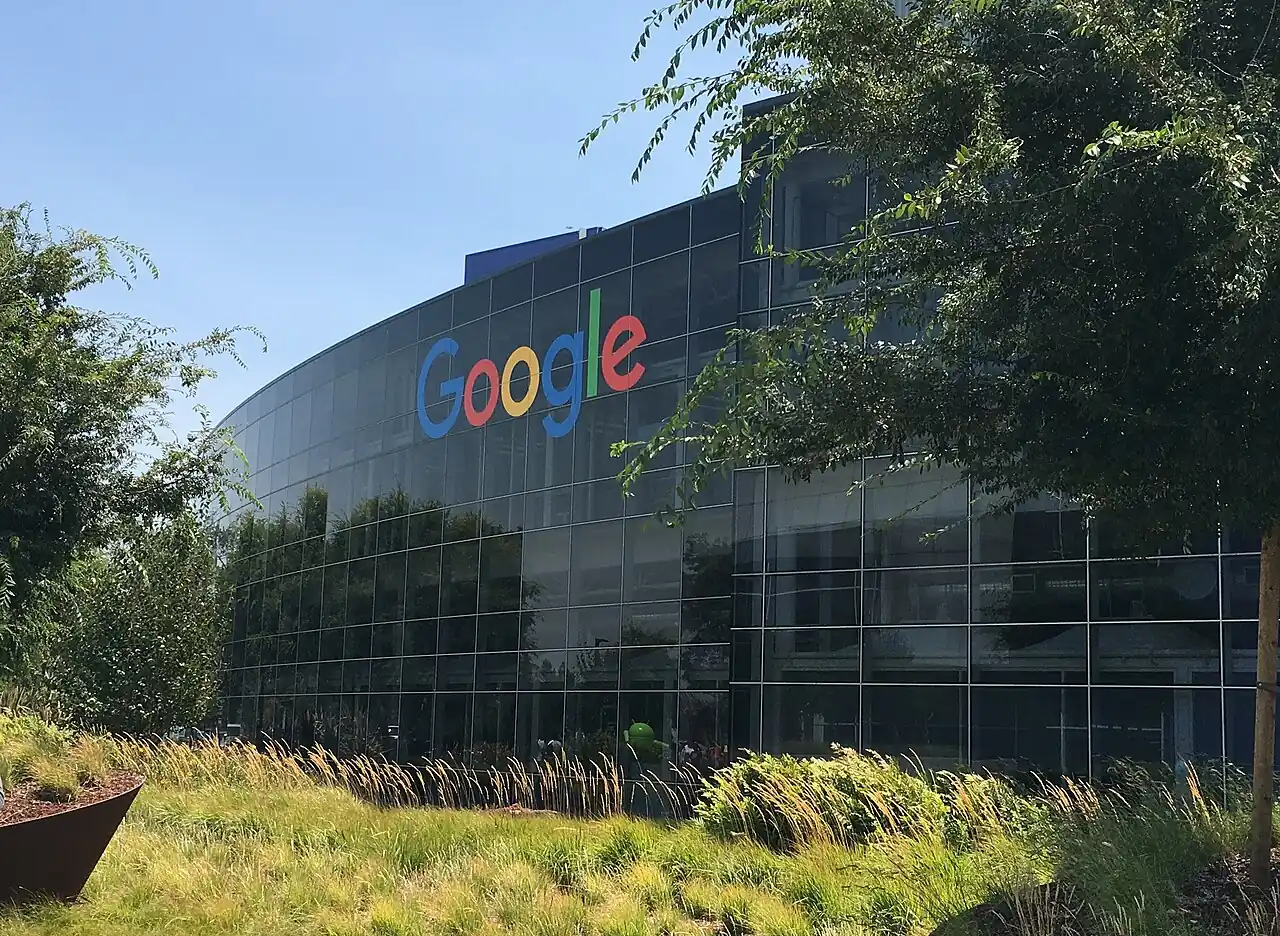
The artificial intelligence race is no longer only about chatbots, image generation, or search. One of the biggest battlegrounds now is coding. The ability for AI to help engineers write software faster, fix bugs more accurately, understand large codebases, and complete long form technical tasks has become one of the most commercially valuable capabilities in the industry.
That is why reports that Google has created a strike team to improve coding models matter so much. This is not just another internal project. It suggests urgency, competitive pressure, and a recognition that coding performance is becoming central to the broader AI race. When a company like Google reorganises talent around a focused push, it usually means the issue is being treated as strategically important.
Why coding models matter so much now
AI coding tools have evolved quickly. What started as autocomplete and simple snippet generation has moved into a much more advanced phase. Today, leading models can explain existing code, refactor messy logic, produce tests, suggest architecture changes, and help developers move through technical tasks much faster. In some cases, they can work across multiple files and maintain context over far longer sessions than older tools ever could.
For businesses, this means faster software delivery, lower engineering friction, and better productivity across development teams. For AI labs, coding has become even more important because the companies building advanced models also use those same models internally. The better the model is at coding, the more it can help improve tools, infrastructure, experiments, and research workflows inside the organisation itself.
Why this move is a big signal
A strike team is not normal branding for a routine internal update. It suggests Google sees coding model performance as an area where it needs sharper execution and faster progress. It also tells the market that AI coding is no longer a side feature. It is becoming core infrastructure for how top tech companies build products and possibly even how they build future AI systems.
What appears to be driving Google’s urgency
One of the clearest drivers is competitive pressure. Reports indicate that Anthropic’s recent releases helped trigger this more focused response. Across the industry, Anthropic has earned a strong reputation for coding performance, particularly with developers who want practical, high quality assistance on real world programming tasks. If internal Google teams believe rival tools are outperforming Gemini in important coding scenarios, that creates both technical and reputational pressure.
There is also a wider strategic reason. Coding is one of the most measurable and scalable AI use cases. It is easier to test than many softer language tasks, and the return on improvement is immediate. If a model writes better code, product teams move faster. If it understands intent across larger technical problems, its value rises dramatically. If it can reliably take on more of the software development process, then it becomes a major force multiplier.
This is why coding capability now sits close to the centre of the AI race. It touches enterprise value, internal productivity, developer adoption, and future model advancement all at once.
Google’s bigger AI ambition
The strike team story also points to something deeper. Google is not just trying to release a nicer coding assistant. It is trying to strengthen a class of models that can take on complex, multi step technical work. Reports suggest the team is focused on long running coding tasks, the kind that require reading files, following context, and understanding what the user is trying to do. That is much harder than simply generating a few lines of code.
This matters because the future of AI is expected to depend heavily on agents that can complete tasks more independently. A truly strong coding model is not only useful for software engineers. It can also become a building block for broader agentic systems. If an AI can plan, inspect, revise, test, and continue iterating through technical tasks, that opens the door to much more autonomous digital work.
In that sense, improving coding models is not a narrow product move. It may be part of Google’s wider attempt to close the gap in practical AI execution and position itself more strongly in the next phase of agent driven computing.
What this means for developers
For software developers, this development sends a clear message. AI coding tools are not slowing down. They are becoming central to how top companies expect engineering work to happen. Developers who ignore these tools entirely may find themselves working more slowly than peers who know how to use them well. At the same time, the best developers will not simply hand everything over to AI. They will learn how to guide, review, test, and strategically use these systems.
This is likely where the job market is heading as well. The most valuable engineers may increasingly be those who can combine technical depth with strong AI workflow management. Instead of asking whether AI will replace coding, a better question may be how much of coding will be reshaped by people who know how to work effectively with advanced AI systems.
What this means for businesses
For businesses outside Big Tech, the implications are just as important. As Google, Anthropic, OpenAI, and others keep improving coding models, companies of all sizes will gain access to more powerful software development support. That can reduce build times, lower costs in some workflows, and help leaner teams deliver more ambitious digital products.
However, stronger AI coding does not automatically mean better software. Businesses still need solid planning, architecture, QA, security review, and strategic direction. AI can speed up delivery, but weak product thinking will still lead to weak outcomes. The winners will be companies that pair AI acceleration with strong execution and human oversight.
This is especially important for startups and growing firms. If the cost of building digital tools continues to fall, competition will rise. More companies will be able to launch software products faster. That means speed alone will not be enough. Quality, usability, positioning, and operational follow through will matter even more.
Could this reshape Google’s public products too?
Possibly. Reports suggest that part of Google’s emphasis is shifting towards models that can write code Google itself can use internally. Some of that work may never be released directly because of how internal code is used in training. Still, improvements made internally can influence broader model quality over time. If Google gets better at long horizon coding tasks and internal developer workflows, that knowledge can eventually strengthen public facing tools, even if the exact underlying systems remain private.
For users of Gemini and Google’s broader AI ecosystem, that could mean stronger coding assistance in future releases. It could also affect how Google positions AI inside Workspace, Cloud, Android, and developer tools across its wider product stack.
The real takeaway
The biggest takeaway is simple. AI coding has become too important for Google to treat casually. Creating a strike team is a sign that the company believes this category deserves intense attention, faster progress, and executive level focus. It also confirms that the race between major AI labs is no longer about who has the most impressive demo. It is increasingly about who can build models that do useful work at scale.
For the wider market, that is a major shift. Better coding models can influence how products are built, how engineers work, how startups compete, and how quickly AI companies improve themselves. Google’s move shows that this part of the race is heating up fast.
Whether Google ultimately closes the gap or not, one thing is clear. Coding models are now one of the most strategic areas in artificial intelligence. And when Google mobilises like this, the rest of the industry pays attention.
Frequently Asked Questions
What is Google’s coding model strike team?
It is a reportedly dedicated internal group focused on improving Google’s AI coding models, especially for more complex and longer running software tasks.
Why is Google focusing on coding models?
Coding is one of the most commercially valuable and technically important uses of AI. Better coding models can improve internal productivity, developer tools, and future agent style systems.
Recent reporting suggests Anthropic’s coding progress played a role in increasing Google’s urgency around improving its own systems.
What does this mean for developers?
It means AI assisted coding is becoming more central to software development, and developers who learn how to use these tools effectively may have a stronger advantage.