Chinese Tech Workers Are Training AI Doubles – And Pushing Back
- 1 Chinese Tech Workers Are Training AI Doubles – And Pushing Back
- 1.1 What Are AI Doubles?
- 1.2 Why Companies Are Investing in AI Workers
- 1.3 The Viral GitHub Project That Sparked Debate
- 1.4 Why Workers Are Pushing Back
- 1.5 Ethical and Legal Challenges
- 1.6 Impact on the Global Workforce
- 1.7 What Businesses Should Do Instead
- 1.8 The Future of Work in an AI-Driven World
- 1.9 Final Thoughts
- 1.10 Frequently Asked Questions
A growing trend in China’s tech industry is raising serious questions about the future of work. Developers and engineers are now being encouraged, and in some cases required, to train AI systems that replicate their skills, workflows, and decision-making processes.
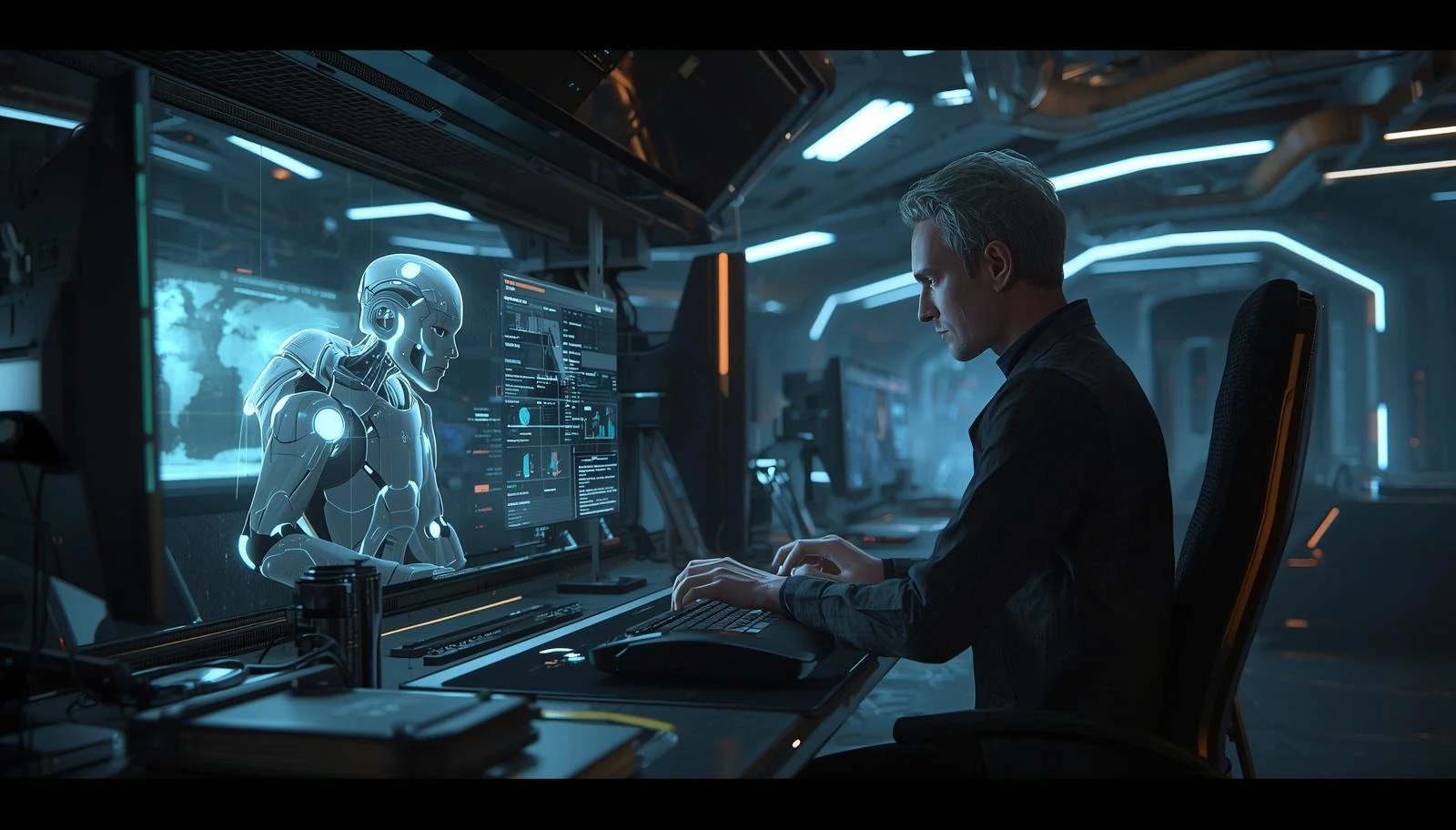
This shift has been fuelled in part by a viral project on [GitHub](chatgpt://generic-entity?number=0), where developers showcased how AI could effectively “clone” a worker’s expertise into reusable digital agents.
While companies see efficiency and scalability, workers are beginning to push back, fearing job displacement, loss of control, and long-term career risks.
What Are AI Doubles?
AI doubles are essentially digital replicas of human workers. By training AI models on a person’s past work, communication style, and decision patterns, companies can create systems that mimic how that individual performs tasks.
These systems can handle repetitive coding tasks, customer support responses, documentation, and even complex problem-solving scenarios.
In theory, this allows companies to scale productivity without scaling headcount.
Why Companies Are Investing in AI Workers
The motivation behind AI doubles is clear. Businesses are constantly looking for ways to reduce costs, increase efficiency, and maintain consistency.
AI models can work 24 hours a day, do not require salaries, and can be deployed across multiple projects simultaneously.
For tech companies, especially in competitive markets, this presents a powerful advantage.
The idea of turning employee knowledge into scalable assets is particularly appealing, as it reduces reliance on individual workers.
The conversation gained momentum when a GitHub project demonstrated how AI could replicate a developer’s workflow and decision-making style.
The project showed how code patterns, documentation habits, and even communication styles could be captured and reproduced by AI.
While some developers saw this as innovation, others viewed it as a warning sign of what is to come.
Why Workers Are Pushing Back
Despite the benefits for companies, many workers are uneasy about the implications of AI doubles.
One major concern is job security. If an AI system can replicate a worker’s skills, it raises the question of whether that worker will still be needed in the future.
There are also concerns about ownership. Who owns the knowledge that is used to train these systems? The employee or the company?
Workers are beginning to question whether they are effectively training their own replacements.
Ethical and Legal Challenges
The rise of AI doubles introduces complex ethical and legal issues. Data privacy, intellectual property, and consent are all key concerns.
Without clear regulations, companies could potentially use employee data in ways that were never originally intended.
Governments and regulators will likely need to step in to define boundaries and protect workers.
Impact on the Global Workforce
While this trend is currently most visible in China, it has global implications. Companies worldwide are exploring similar AI-driven strategies.
The concept of AI augmentation is already transforming industries, and AI doubles could accelerate this shift dramatically.
Workers in all sectors, not just tech, may soon face similar challenges as automation becomes more advanced.
What Businesses Should Do Instead
Rather than replacing workers, businesses should focus on using AI to enhance productivity and support employees.
Investing in the right technology is key. Partnering with experts in mobile app development services can help companies build AI-powered tools that complement human work instead of replacing it.
At the same time, companies must ensure they remain visible and competitive online. Leveraging SEO packages in Singapore ensures that businesses continue to grow while adapting to new technologies.
The Future of Work in an AI-Driven World
AI is not going away. The question is not whether it will change the workforce, but how.
The most successful companies will be those that find a balance between automation and human creativity.
Workers who adapt, learn new skills, and embrace AI as a tool rather than a threat will be best positioned for the future.
Final Thoughts
The rise of AI doubles is a turning point in the evolution of work. While the technology offers significant advantages, it also raises serious concerns that cannot be ignored.
As companies continue to experiment with AI, the voices of workers will play a crucial role in shaping how these technologies are used.
The future of work will not be defined by AI alone, but by how humans choose to integrate it into their lives and careers.
Frequently Asked Questions
What are AI doubles?
AI doubles are digital systems trained to replicate a person’s skills, workflows, and decision-making processes.
Why are companies using AI workers?
Companies use AI to increase efficiency, reduce costs, and scale operations without hiring more employees.
Are AI doubles replacing jobs?
While not always replacing jobs directly, they raise concerns about long-term job security and workforce changes.
Is this trend limited to China?
No, similar trends are emerging globally as companies adopt AI technologies.