AI Is Already Leading to Fewer Jobs for Young People, Says Sunak
- 1 AI Is Already Leading to Fewer Jobs for Young People, Says Sunak
- 1.1 Why this matters now
- 1.2 What Sunak actually warned about
- 1.3 Why young people are more exposed
- 1.4 The wider labour market is already under pressure
- 1.5 Does AI only destroy jobs?
- 1.6 What businesses are likely to do next
- 1.7 Why this is also a training problem
- 1.8 What this means for digital businesses
- 1.9 The policy debate is only just beginning
- 1.10 The real takeaway
- 1.11 Frequently Asked Questions
Artificial intelligence is no longer a distant threat to the labour market. According to former UK prime minister Rishi Sunak, the disruption has already started, with entry level hiring for young people beginning to flatten as businesses adopt new AI tools and rethink where they need junior staff.
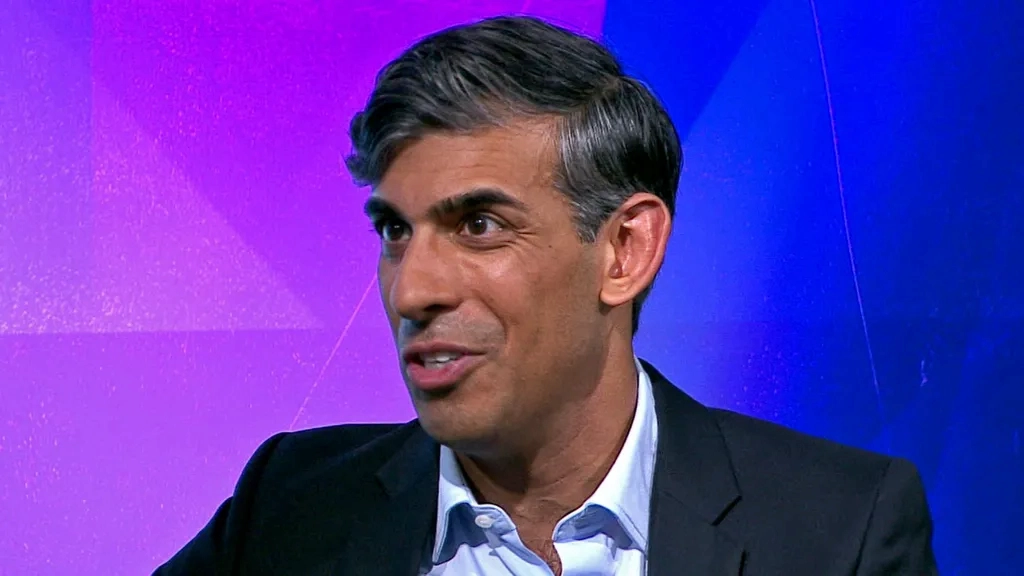
Artificial intelligence is changing how companies hire, how teams are structured, and what kinds of roles are considered essential. That shift is especially important for young people trying to enter the workforce for the first time. In a recent interview, Rishi Sunak said concerns from graduates and younger job seekers are justified because company leaders are privately acknowledging that hiring at the junior end is already slowing as AI systems become more capable.
The point is not that every entry level job is vanishing overnight. It is that the first signs of a structural shift are becoming visible. Many younger workers have traditionally started in roles built around research, drafting, administration, analysis, customer support, and routine digital tasks. These are exactly the kinds of activities that modern AI tools are increasingly able to support or partially automate.
Why this matters now
When AI affects senior roles, companies tend to redesign workflows slowly. But when it affects junior work, the impact can be felt much earlier because entry level hiring is often the first area where firms try to reduce cost, increase output, and experiment with automation.
What Sunak actually warned about
Sunak’s intervention matters because he is not speaking as a casual observer. He has become closely involved with the AI sector and has argued that governments need to prepare for a labour market where the cost of employing humans and the cost of deploying machines are increasingly out of balance. His argument is that employers face taxes and overheads when they hire people, but face no equivalent penalty when they invest in automation.
That imbalance, in his view, could push companies further toward software based substitution, particularly for junior and repeatable tasks. He suggested that over time governments may need to rethink how work is taxed and how to make human hiring more attractive in an AI heavy economy.
Why young people are more exposed
Younger workers are often the most vulnerable in periods of technological change because they are still trying to gain their first real experience. Many graduate and junior roles exist partly to train people while also handling lower complexity tasks. If AI tools can now perform some of those tasks faster, employers may decide they need fewer juniors to produce the same amount of work.
That creates a serious pipeline issue. If fewer people are hired into the first rung of the ladder, then fewer people will gain the experience needed to become mid level and senior professionals later. This is one of the reasons the debate around AI and youth employment is becoming more urgent. It is not only about immediate job numbers. It is about how careers begin in the first place.
The concern is particularly relevant in sectors such as marketing, law, finance, software, media, customer operations, and business support, where AI can already help with drafting, coding, summarising, analysis, and workflow automation.
The wider labour market is already under pressure
AI is not arriving in a healthy, easy labour market. Recent UK data shows vacancies have dropped to their lowest level since early 2021, which means competition for openings is already tougher than it was during the post pandemic hiring boom. When fewer jobs are available overall, any new technological pressure on entry level hiring can feel even sharper.
For younger applicants, that means the challenge is twofold. They are competing in a slower hiring environment while also facing employers that may be redesigning roles around automation. This helps explain why the issue is attracting so much attention in both politics and business.
Does AI only destroy jobs?
Not necessarily. The full picture is more complex. Some research and industry data suggests AI is also creating demand in new areas, including engineering, data infrastructure, AI operations, model oversight, and specialised support functions. LinkedIn data highlighted by the World Economic Forum has pointed to strong growth in certain AI related jobs, even while broader hiring remains soft.
That said, this does not automatically solve the problem for school leavers, graduates, or junior professionals. New AI jobs often require technical skills or prior experience, while many entry level roles at risk are the ones that used to provide the first foothold into office based work. So even if AI creates jobs overall, it may still make the start of a career harder for many young people.
What businesses are likely to do next
Companies are unlikely to stop using AI simply because it creates labour market tension. The productivity benefits are too attractive. Firms can use AI to draft documents, summarise meetings, analyse data, generate code, answer customer queries, and reduce the amount of repetitive work handed to teams. In many cases, leaders will see this as a necessary step to remain competitive.
The key question is whether businesses use AI to replace junior talent completely or to make smaller teams more productive while still investing in future human capability. The smartest companies will probably do the latter. They will use AI to remove low value admin while still giving young employees exposure to real problem solving, communication, judgement, and client work.
This is where strong AI automation and integration strategy becomes important. Businesses need to design AI into workflows carefully rather than simply cutting headcount and hoping technology fills every gap.
Why this is also a training problem
If AI is changing the starting point of a career, then education and training systems need to change as well. Traditional assumptions about junior work may no longer hold. Young people may need to enter the labour market with better AI literacy, stronger communication skills, and more practical experience using digital tools in real workflows.
Employers may also need to redesign graduate programmes and junior roles so that they focus less on repetitive execution and more on review, judgement, coordination, and working alongside machines. In other words, the future entry level worker may be expected to manage AI output rather than manually produce every first draft from scratch.
What this means for digital businesses
For companies building online products and services, the shift is not limited to internal hiring. AI is also changing how customers expect to interact with businesses. Smarter support, faster responses, and more automated engagement are becoming standard. This is why many organisations are investing not only in back office automation but also in chatbot development and customer facing AI tools that improve service while reducing pressure on teams.
The important point is balance. Businesses that embrace AI intelligently can improve efficiency and remain competitive, but they also need a long term talent plan. If every company cuts back on junior hiring at once, the wider economy can end up with a skills bottleneck a few years later.
The policy debate is only just beginning
Sunak’s comments are part of a wider discussion now taking shape across governments, think tanks, and industry groups. Policymakers are increasingly being asked whether tax systems, labour regulation, and education pathways are still fit for a labour market being reshaped by AI. Some argue that governments should subsidise hiring, apprenticeships, and retraining. Others argue that the focus should be on removing barriers to growth and helping firms create new kinds of jobs.
There is no simple answer yet. But one thing is clear. AI is no longer just a future of work topic for conferences and white papers. It is beginning to affect real hiring decisions, especially at the entry level, and that makes the debate much more urgent.
The real takeaway
The most important message from this story is not panic. It is preparation. Young people are right to take the shift seriously, and businesses are right to explore what AI can do. The challenge is making sure productivity gains do not come at the cost of shutting off the next generation from meaningful first jobs.
The companies and governments that handle this best will be the ones that treat AI as a tool to augment people, not just replace them. That means redesigning roles, updating training, investing in digital capability, and giving younger workers a route into an economy that is changing faster than many institutions are prepared for.
Frequently Asked Questions
Did Sunak say AI is already affecting jobs?
Yes. He said recruitment of young people is already flattening as companies adopt AI and rethink entry level hiring.
Why are young workers more at risk?
Many junior roles involve repeatable tasks such as drafting, research, analysis, and admin work, which AI tools can increasingly assist with or partly automate.
Does AI only remove jobs?
No. AI is also creating demand in some new fields, but those roles may not be easy substitutes for the entry level opportunities young people traditionally relied on.
What should businesses do?
Businesses should use AI to improve productivity while still investing in training, junior talent, and workflows that combine automation with human judgement.